-
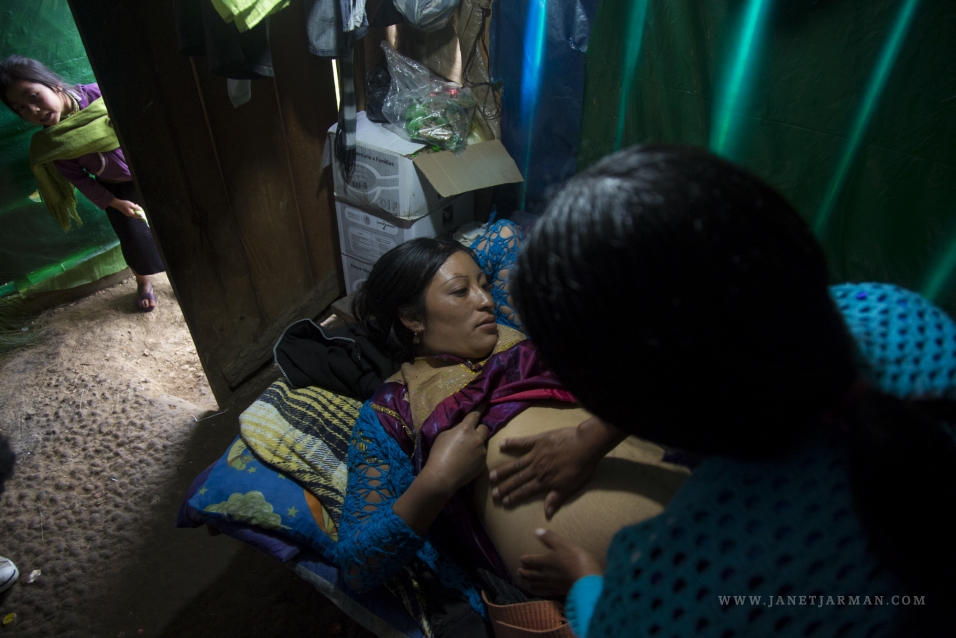
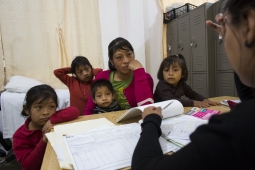
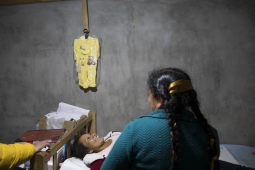
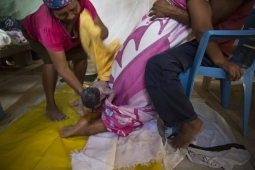
In the Highlands of Chiapas, Mexico, traditional midwife María López Gonzalez (known as “Doña Mari”), checks Rosita Gonzalez López, 22, to see if her baby is in the right position. Doña Mari has over 20 years of experience as a midwife and is aware of risk symptoms and of how to avoid obstetric emergencies. If she observes alarm signals during a woman’s pregnancy, she refers her to a nearby government health clinic. Throughout Mexico, most indigenous women rely on traditional midwives when they give birth. They distrust government hospitals where medics may dismiss their traditions, discriminate against them or force them to undergo unnecessary operations. Pregnant with her third child, Gonzalez had never been to a hospital and preferred working with Doña Mari, a long trusted midwife in her community.
-
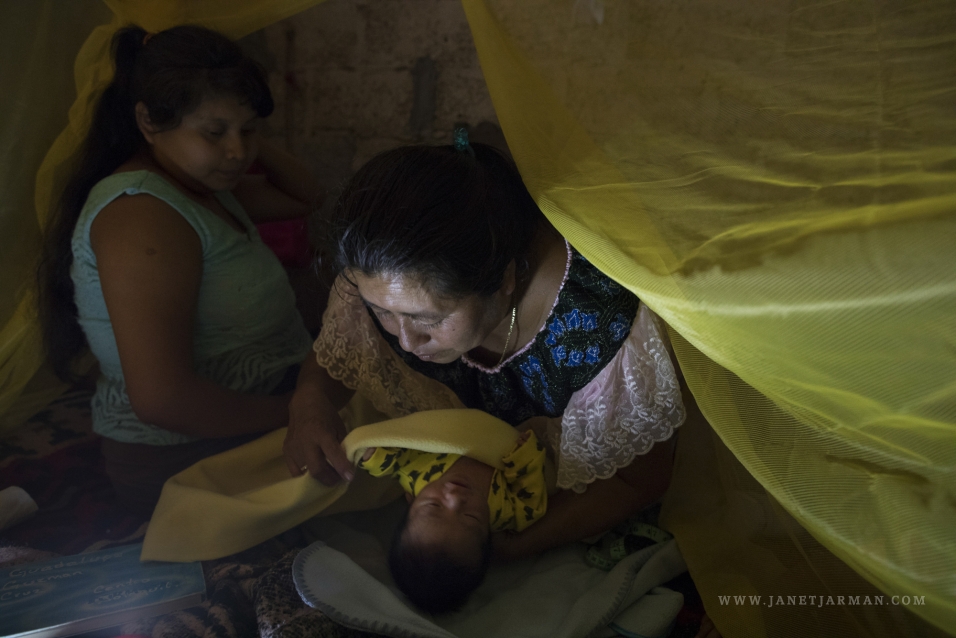
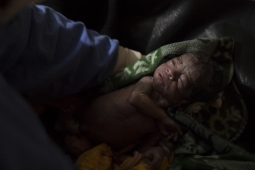
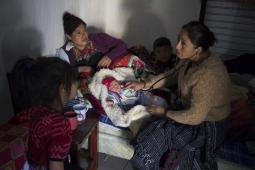
Traditional midwife Guadalupe Guzmán Cruz measures the newborn son of her daughter-in-law, María Elena Pérez Jiménez, (seated), after delivering him the day before inside her home, located in the Highlands of Chiapas. Her daughter-in-law wanted to give birth at home with Guadalupe, since resident doctors cut her vagina using an episiotomy procedure without her consent in her previous hospital birth, and the recovery took months. Guzmán has served the women in her village for 15 years as a revered midwife, guiding them through childbirth in an area where health services are scarce or nonexistent.
-
Traditional midwife Guadalupe Guzmán Cruz joins family members to celebrate the one-year birthday for Mateo, whose life Guadalupe saved during birth, by administering mouth to mouth resuscitation when he showed no signs of breathing. Guzmán has served the women in her village for more than 15 years as a revered midwife, guiding them through childbirth in an area where health services are scarce or nonexistent. She has attended many classes about obstetric emergencies. During the complicated birth of Mateo, she said God was her guide.
-
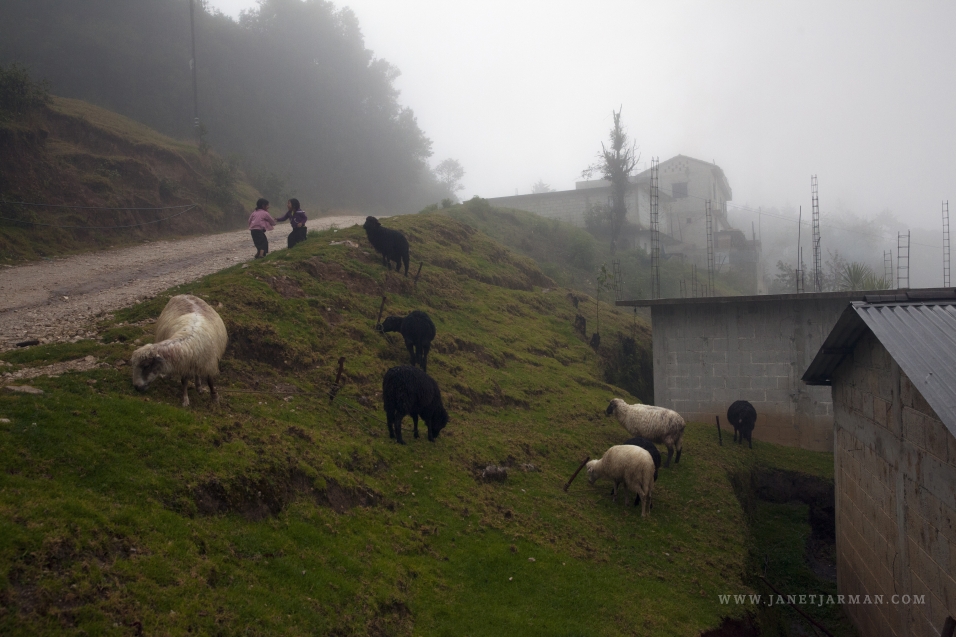
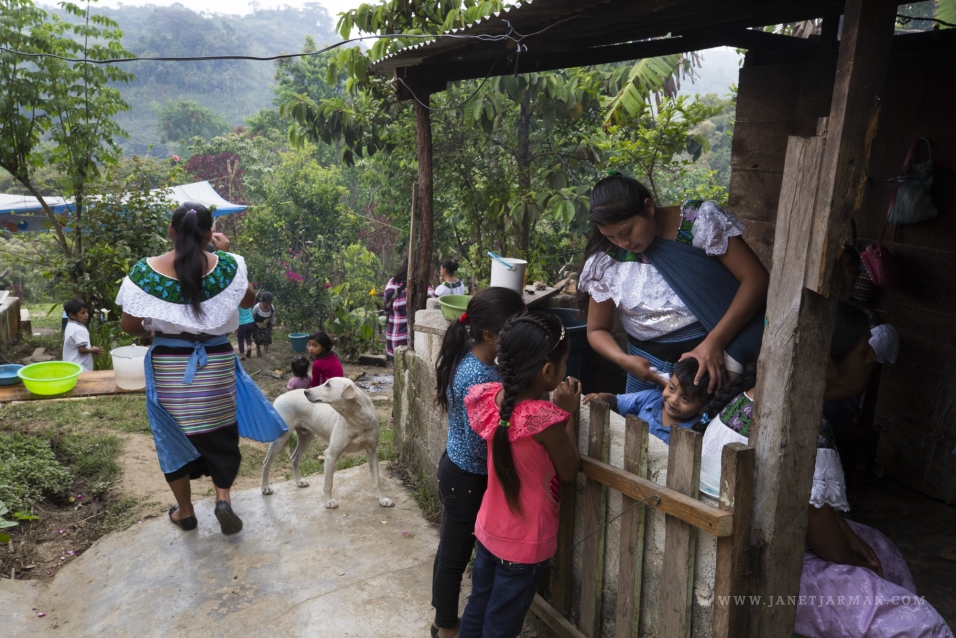
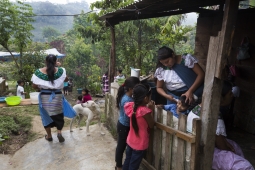
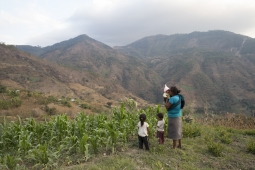
Children play in front of their house in a small community in the Highlands of Chiapas, Mexico, near the home of traditional midwife María López González (known as “Doña Mari”). For generations, the indigenous women of Chiapas have had their babies delivered at home by midwives. In many of the state’s remote areas, midwives may be the only option a woman has, since local health services are scarce or nonexistent, and doctors work inconsistent hours. Many women are afraid of being disrespected or of being forced into unnecessary medical interventions in hospitals where medical staff do not speak their languages. They prefer to be treated at home and according to their customs and where they feel safe.
-
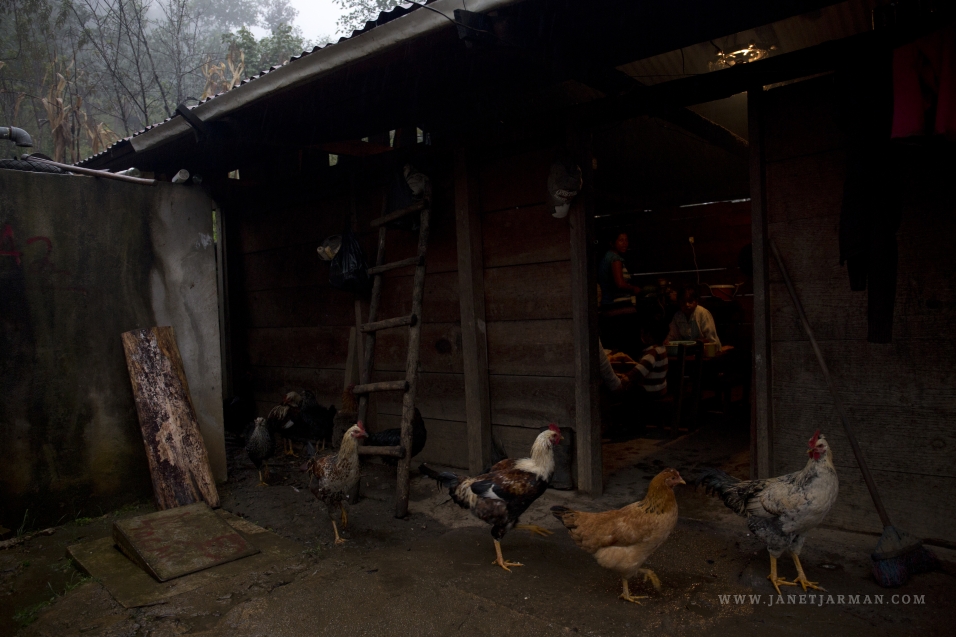
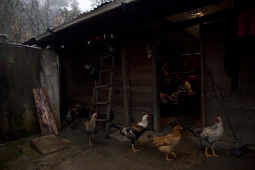
Chickens gather outside the kitchen of Maria Morales López’s house in an isolated community in Oxchuc, Chiapas. Maria, 58, has been a midwife for 40 years. Many of her patients come to her house to deliver their babies. According to López, her patients dislike hospitals since they fear that doctors will disrespect them or pressure them to have unnecessary cesareans. Morales wishes that doctors and midwives could work together better.
-
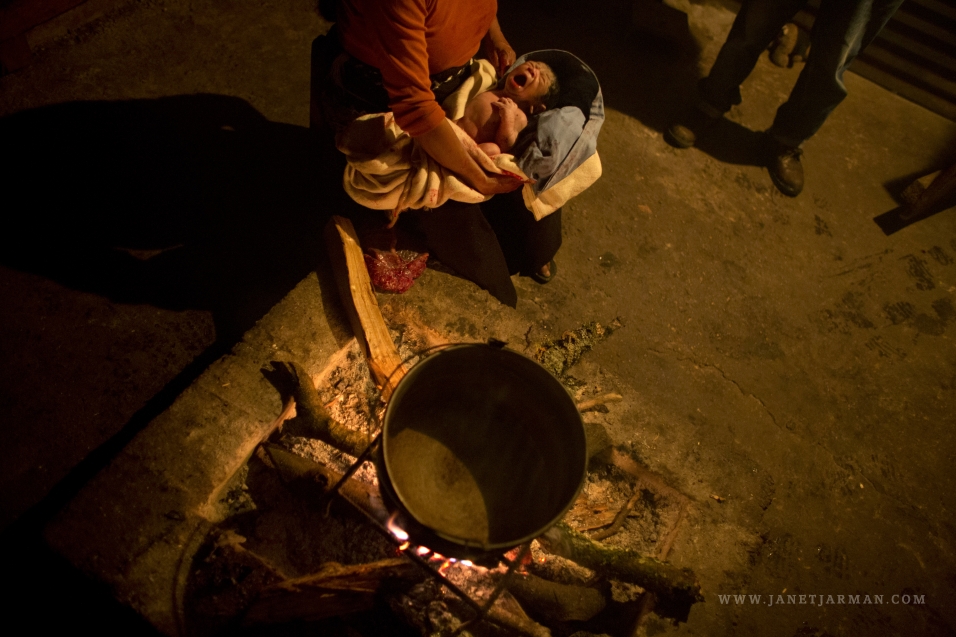
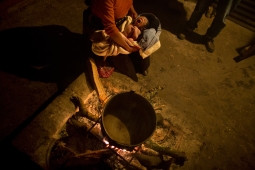
After rushing into the kitchen with a newborn and the placenta, traditional midwife Sebastiana Girón Pérez prepares to clean the baby of Antonia López Santis with lukewarm water. Most indigenous women in the remote highlands of Chiapas still prefer to give birth at home with a midwife. They want to be cared for according to their indigenous customs. Following a birth, many families here will bury the placenta in a shady spot in the garden.
-
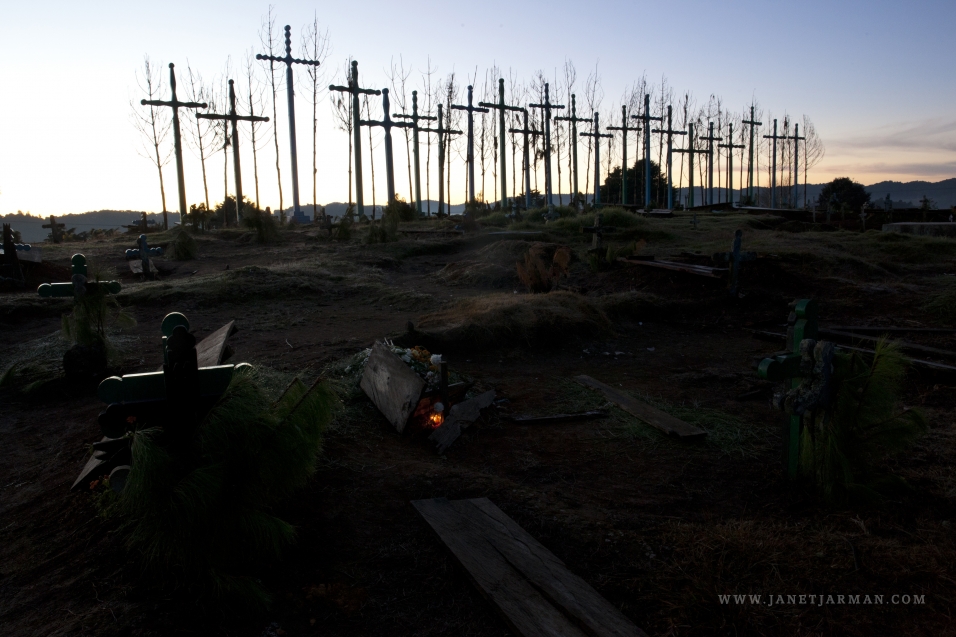
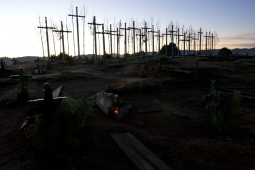
A candle burns in the early morning on a tiny gravesite in Romerillo, a celebrated cemetery in San Juan Chamula, Chiapas. Researchers estimate that for every 100,000 women who give birth in Chiapas, 55 or more die, a rate significantly higher than that in the rest of Mexico.
-
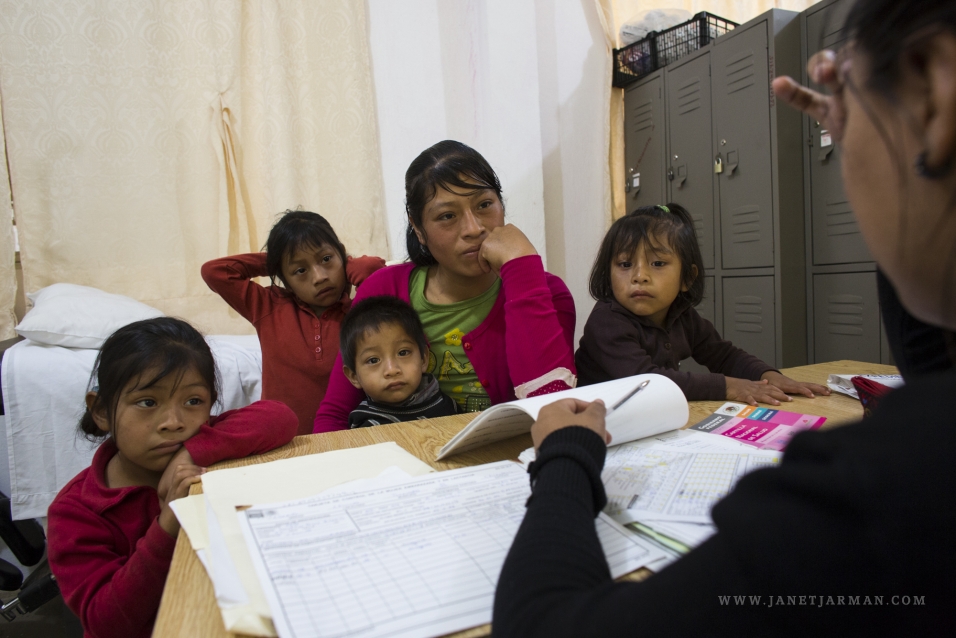
A mother, pregnant with her fifth child, meets with Elsa Esther Chuta Gabriel, a professionally trained midwife who worked at the public health clinic of Tenejapa, Chiapas in 2014, until her contract ended. Since most health professionals do not speak local indigenous dialects, communication can be challenging for families. During her time at the clinic, Chuta gained the trust of many women and the respect of the doctors. When the Mesoamerica Initiative pilot project that created her position terminated, doctors and patients lamented the great void left by Chuta’s absence.
-
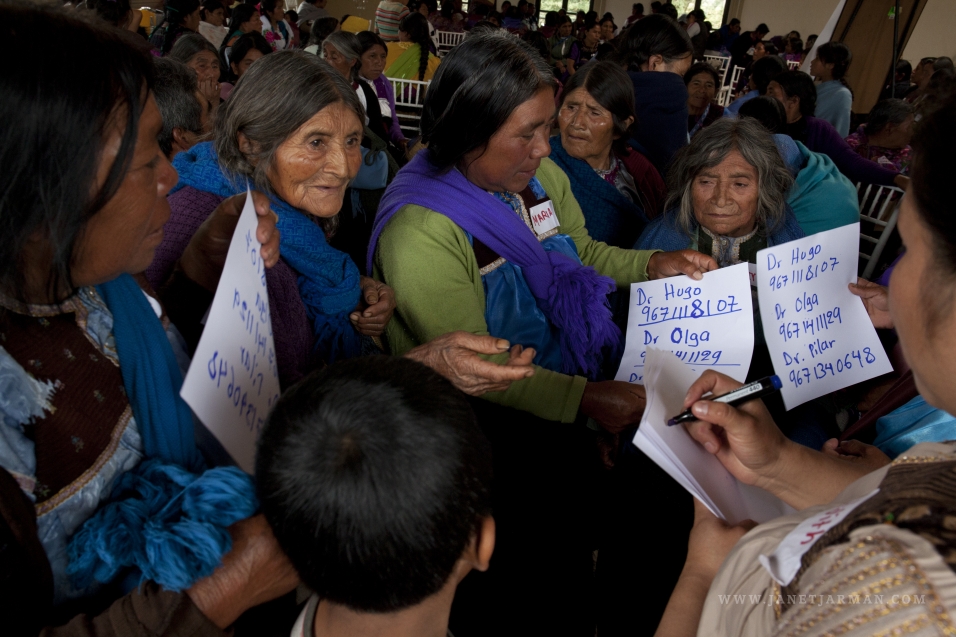
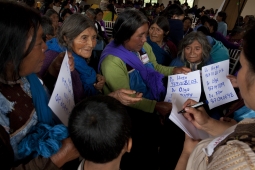
Traditional midwives accept the personal phone numbers of medical doctors during a state sponsored training session for midwives in San Cristobal de las Casas, Chiapas. State healthcare authorities put on sporadic sessions like this one with the traditional midwives, who still attend to most childbirths in the state’s indigenous communities. More than sporadic training however, what the midwives really want is respect and recognition of their ancestral knowledge and to be able to work without feeling threatened by health authorities. Some also want to be paid, claiming that their work with area women takes the burden off of doctors in oversaturated hospitals.
-
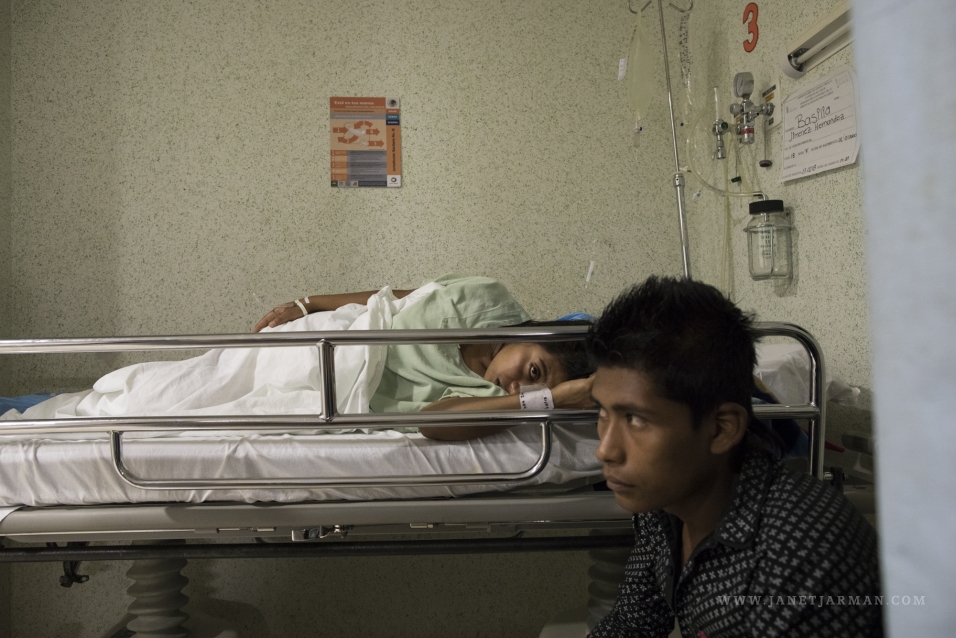
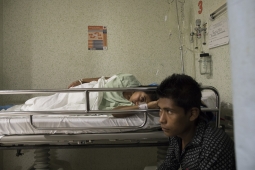
Manuel Alvarez Pérez and his wife, Bacilia Jiménez Hernández nervously await news from doctors at the Community Hospital of Ocosingo, in Mexico’s Chiapas state. Earlier in the day, the young indigenous couple were evacuated by air from their home in the state’s remote jungle region, after Jiménez had experienced bleeding for two days. She remained stable but had a miscarriage. For both, it was their first experience in a hospital. Communication was challenging, especially once evening came, since there were no interpreters to help them communicate in their Tseltal language.
-
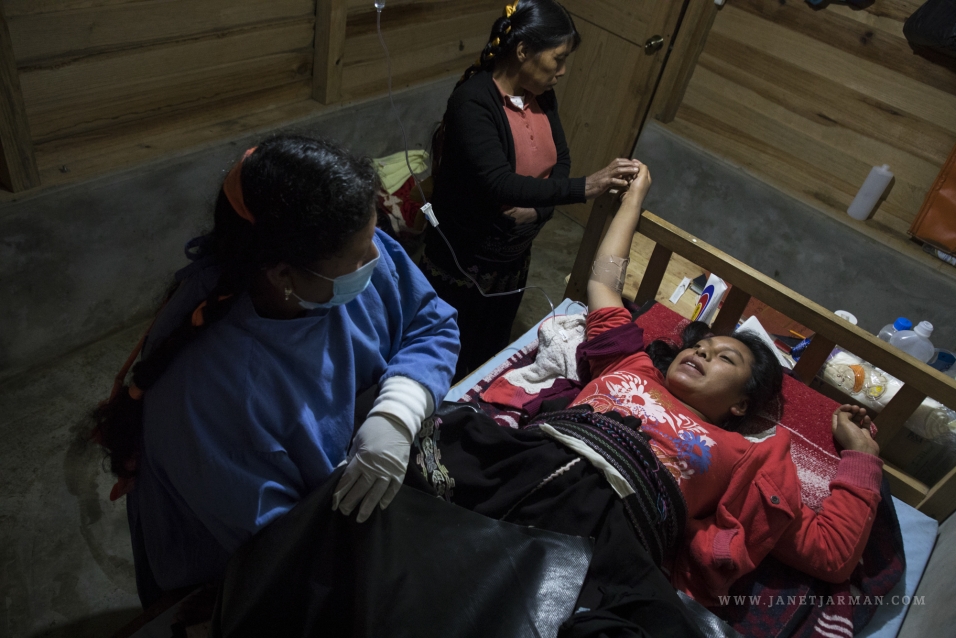
Juana Girón works through her labor contractions next to her worried mother (R), while traditional midwife Lucia Girón Pérez attends her third birth of the day and 125th birth of 2021. Throughout Mexico, most indigenous women rely on traditional midwives when they give birth. They distrust government hospitals where medical personnel may discriminate against them or force them to undergo unnecessary operations.Traditional midwives became even more important to women and families during the Covid-19 pandemic, as health services in remote communities shut down and families feared hospitals even more. Despite being the primary frontline workers during this critical time, however, the midwives still received virtually no government support.
-
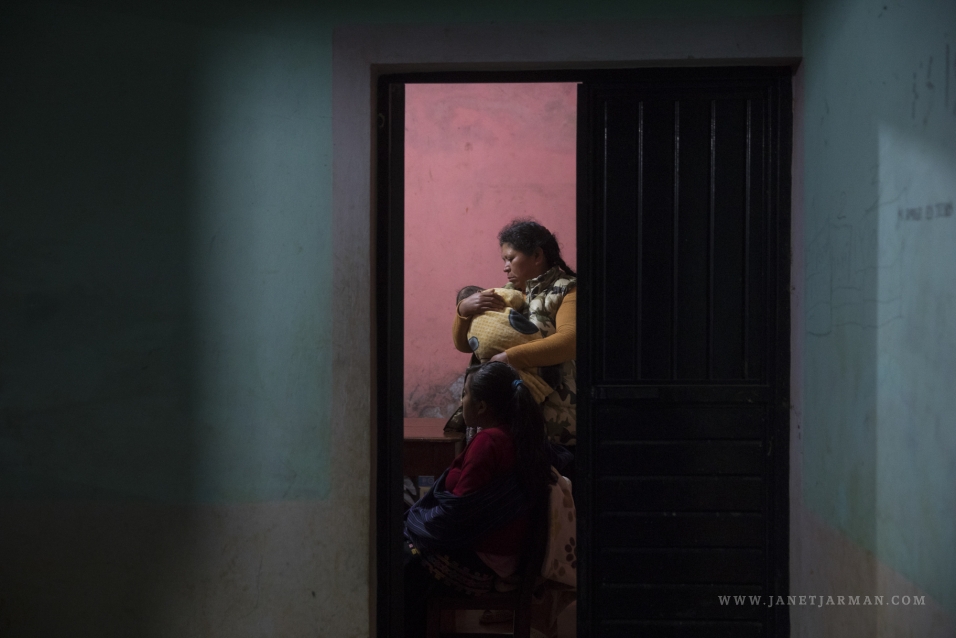
Traditional midwife Lucia Girón Pérez attends a family with a sick baby at 5 a.m. at her home in Tzajalchen, Tenejapa, Chiapas, Mexico, where she lives. Often traveling through fog and rain, hundreds of women in the surrounding area come to Girón’s home at all hours of the day and night to seek her maternal health services. She and her family have put themselves at great risk during the pandemic to help the people of their region who trust them more than they do government hospitals.
-
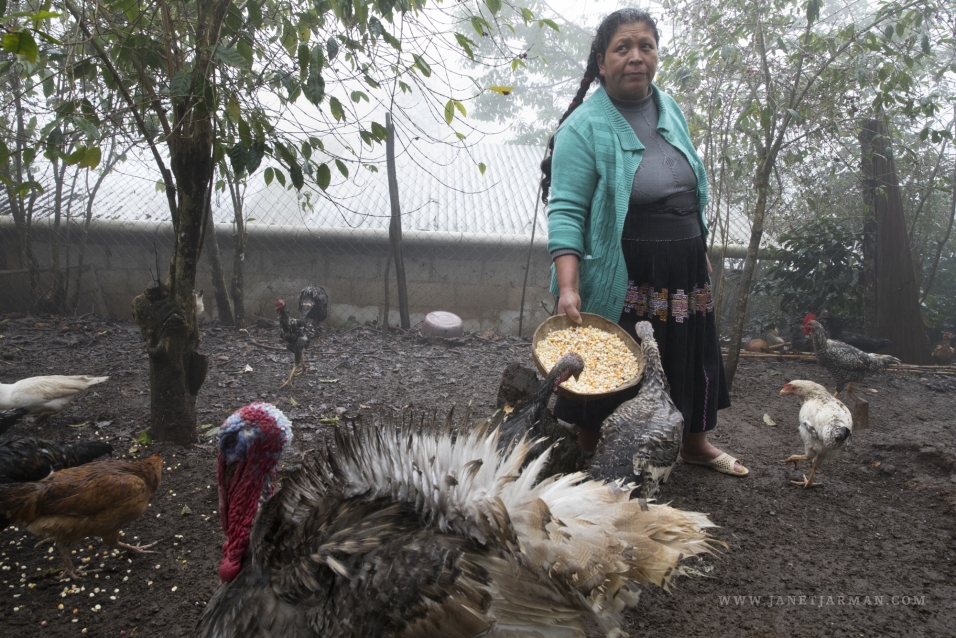
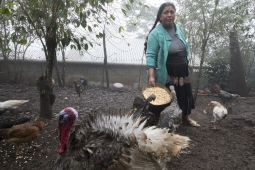
Traditional midwife Lucia Girón Pérez finds time between attending multiple births to feed her animals in Tzajalchen, a small community in the municipality of Tenejapa, Chiapas, Mexico, where she lives. She rarely has time to sleep in between the revolving births she attends that occur at all hours of the day, night and early morning. Her family is deeply worried that the stress will begin to affect Lucia’s health; however, steeped in their religion, they believe they must serve God to help those in need in their community.
-
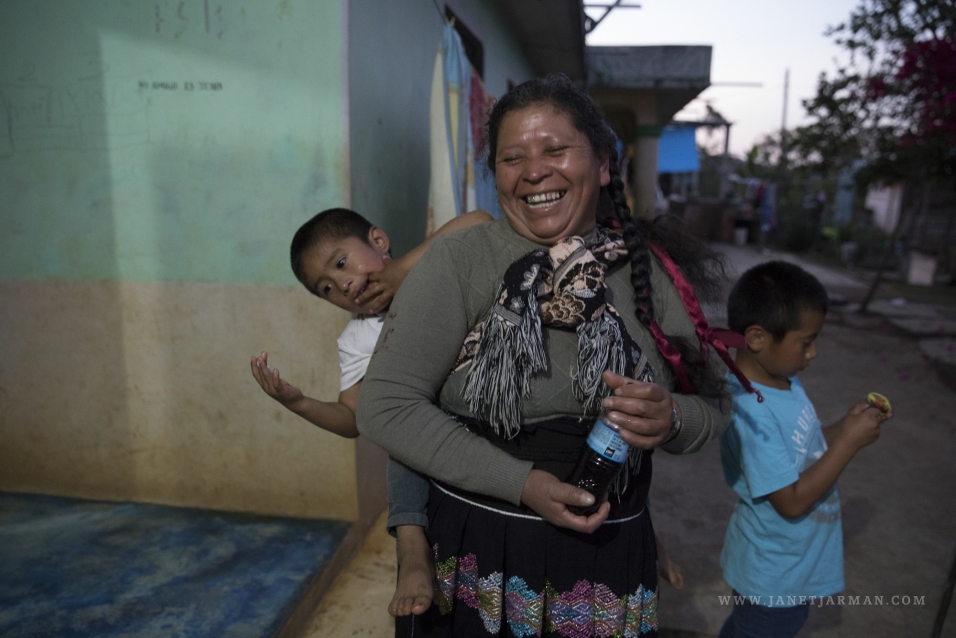
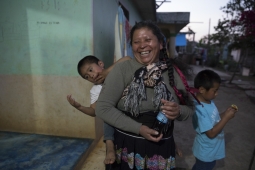
Traditional midwife Lucia Girón Pérez holds her grandson, Ezekiel Guzmán Luna, 5, (L) after wrapping his wound at her home in Tzajalchen, a small indigenous community in the municipality of Tenejapa, Chiapas, Mexico. Another grandson, Raúl Santis Guzman stands by (R). Ezekiel ran straight to his grandmother after ripping his fingernail off while playing. Giron’s grandchildren continue to find ways to entertain themselves at her home, while she attends dozens of births of the women of her community and throughout her region. There is no internet connection where they live, so online classes are not an option for her grandchildren, as they are in most other areas of Mexico.
-
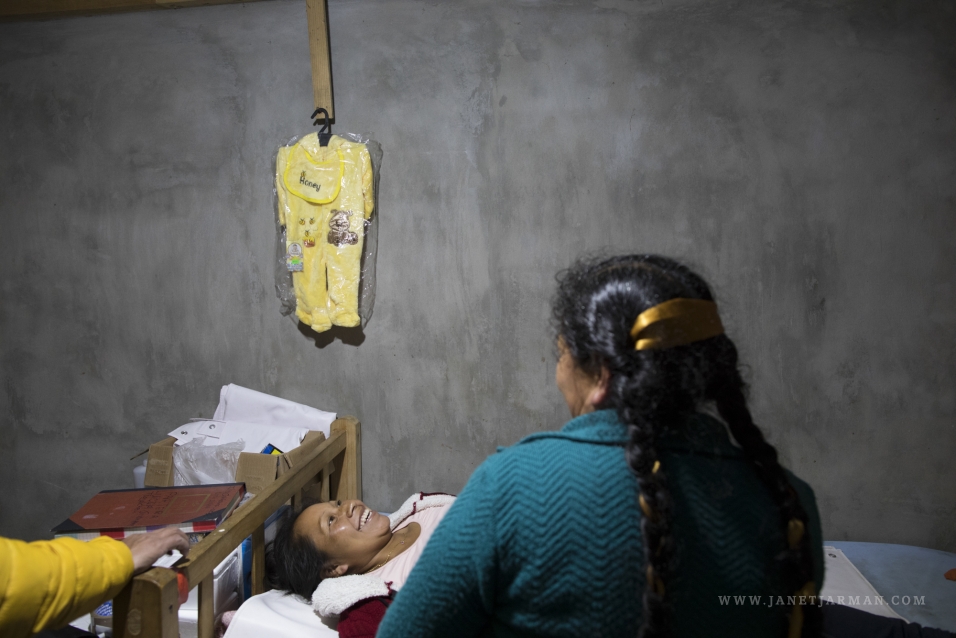
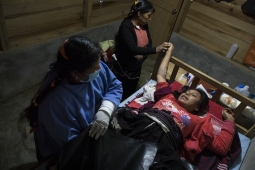
Traditional midwife Lucia Girón Pérez performs a prenatal birth consultation inside the birthing room she and her husband built next to their home in Tzajalchen, a small community in the municipality of Tenejapa, Chiapas, Mexico. In Mexico’s Indigenous communities, women have long relied on traditional midwives, like Girón. They want to be cared for according to their customs, and they often distrust government hospitals where they fear discrimination, pressure to undergo unnecessary medical interventions.During the Covid-19 pandemic, the number of women seeking Girón’s services more than doubled.
-
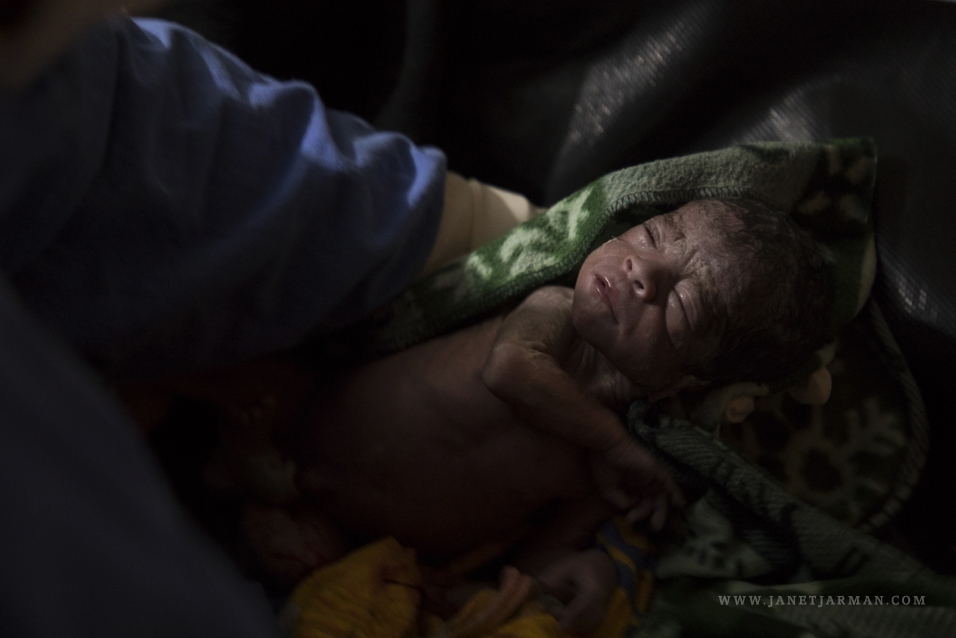
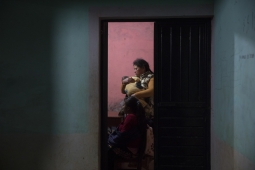
Traditional midwife Lucia Girón Pérez gently cleans off a baby girl seconds after it was born inside the birthing room at her home in Tlajalchen, a small indigenous community in the municipality of Tenejapa, Chiapas, Mexico. The baby weighed only two kilos, and Girón worried about the young mother’s and the baby’s health. Girón feels that many men in her region fail to support women. As a result, many women are undernourished, and their babies risk not developing in a healthy way, she said.
-
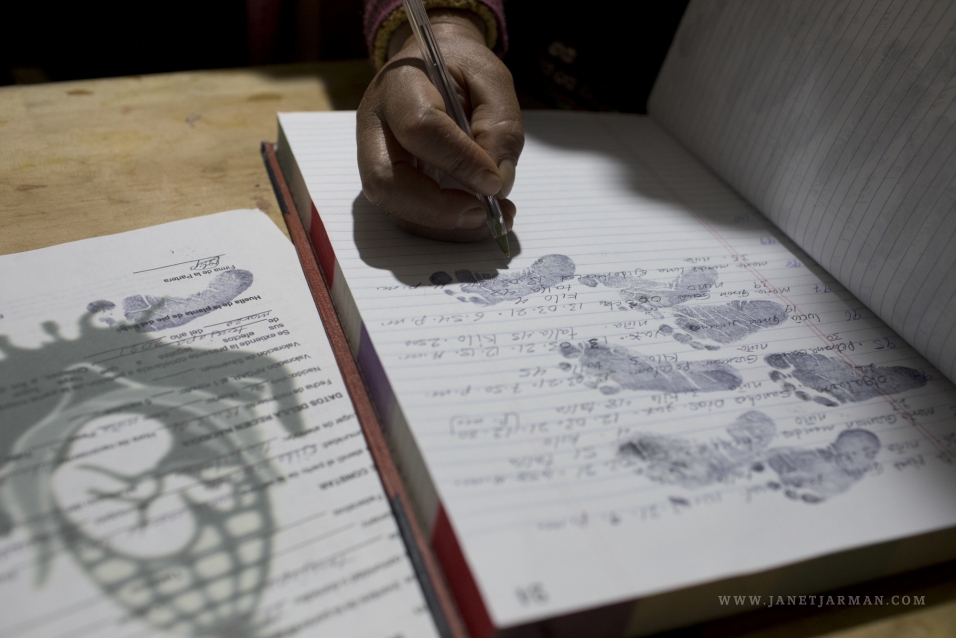
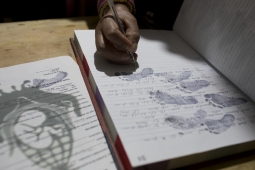
Traditional midwife Lucia Girón Pérez documents another birth in her registry in the room where she attends women in her home in Tzajalchen, a small community in the municipality of Tenejapa, Chiapas, Mexico. As the pandemic and all of the misinformation surrounding it spread throughout the region, indigenous women throughout the state began to fear hospitals even more. As a result, Girón's workload spiked in 2020 and continues to increase. One of the main problems that traditional midwives face is when doctors refuse to give birth certificates to families who use midwives. Legally, doctors must recognize the births, but decades of discrimination against midwives continues in many areas.
-
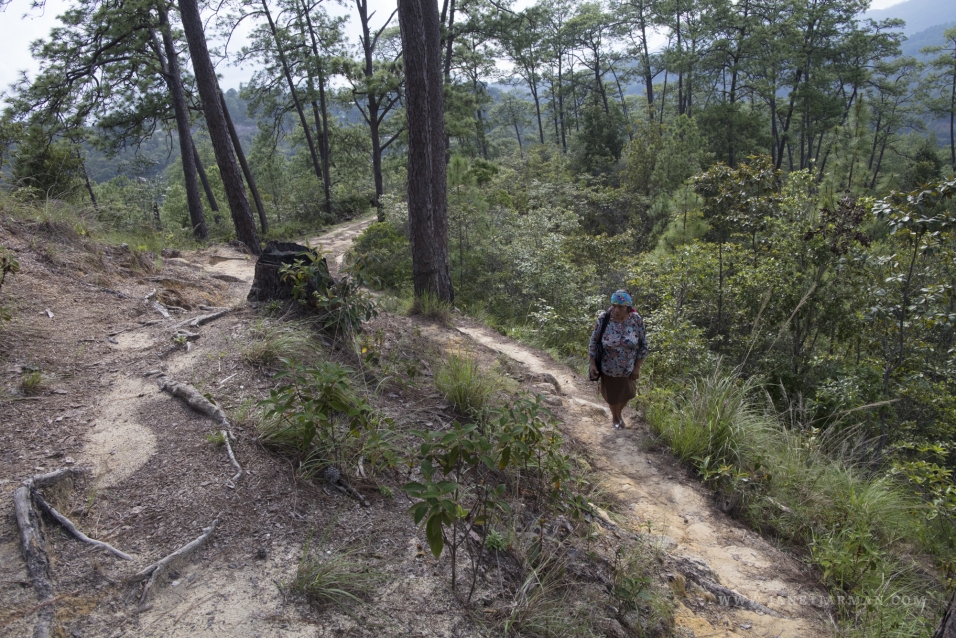
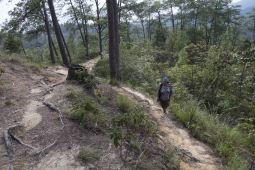
Near the remote indigenous community of Pueblo Hidalgo, located in the Southern mountains of Mexico’s Guerrero state, traditional midwife and healer Isabel Vicario Natividad, 57, walks through rugged mountain terrain to reach the home of one of the women under her care.
-
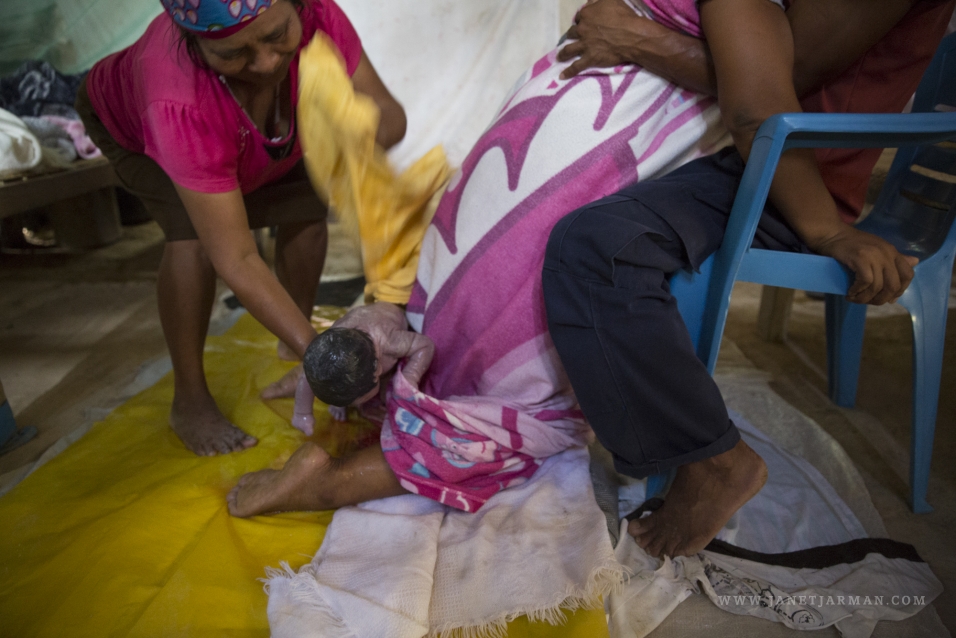
Traditional midwife and healer Isabel Vicario Melquiades receives the newborn child of Luisa Ortega Cantú, as she is supported by her husband, Melquiades Villegas Feliciano. As per their custom, the couple decided to have their child inside their home, located in the Southern mountains of Mexico’s Guerrero state. Ortega prefers the culturally appropriate care Vicario provides and feels uncomfortable in a hospital, where she thinks doctors touch her in an aggressive way. The pandemic highlighted the continued importance of trusted and experienced midwives like Vicario, since most women feared hospitals even more than before and refused to leave their communities.
-
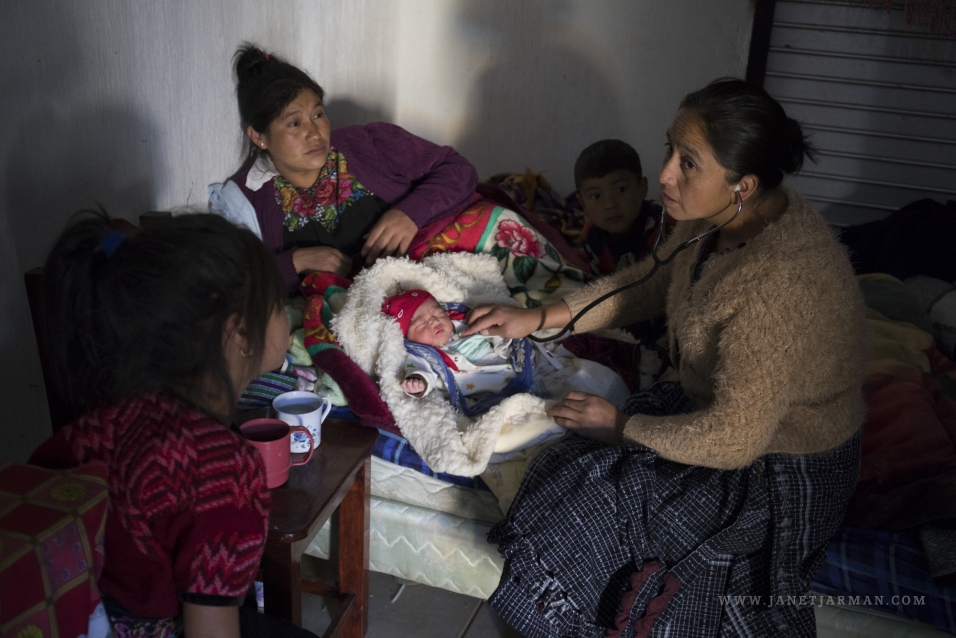
Asociación de las Comadronas del Area Mam (ACAM) midwife Imelda López (R) performs a checkup at the home of Sandra Adriana Maroquín Alonzo, 29, following the birth of her child (pictured). Maroquín learned about ACAM during one of the center’s mobile clinic activities, and she decided to continue receiving care with them during her pregnancy. López attended the birth of Maroquín’s child at the ACAM birth center, based in Concepción Chiquirichapa, Guatemala.
-
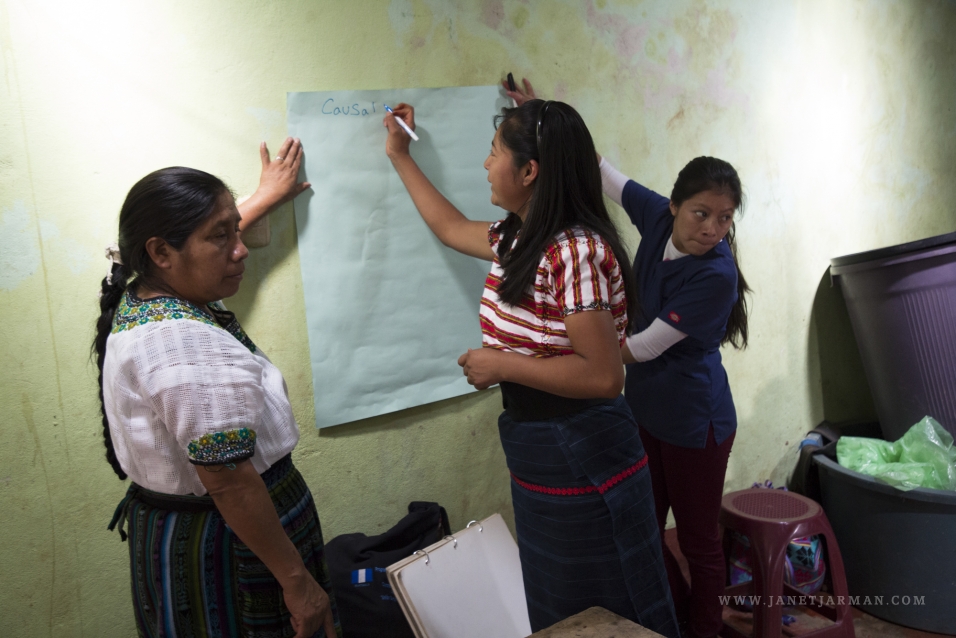
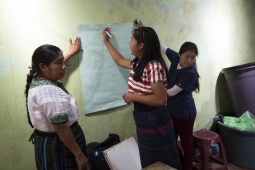
(from the left) ACAM midwives Acuzena Cifuente, Griselda Ralda and Celia Romero, lead a class for local midwives in the community of Las Barrancas, one of the remote areas served by Asociación de las Comadronas del Area Mam (ACAM), a collective of comadronas (indigenous midwives) based in Concepción Chiquirichapa, Guatemala.
-
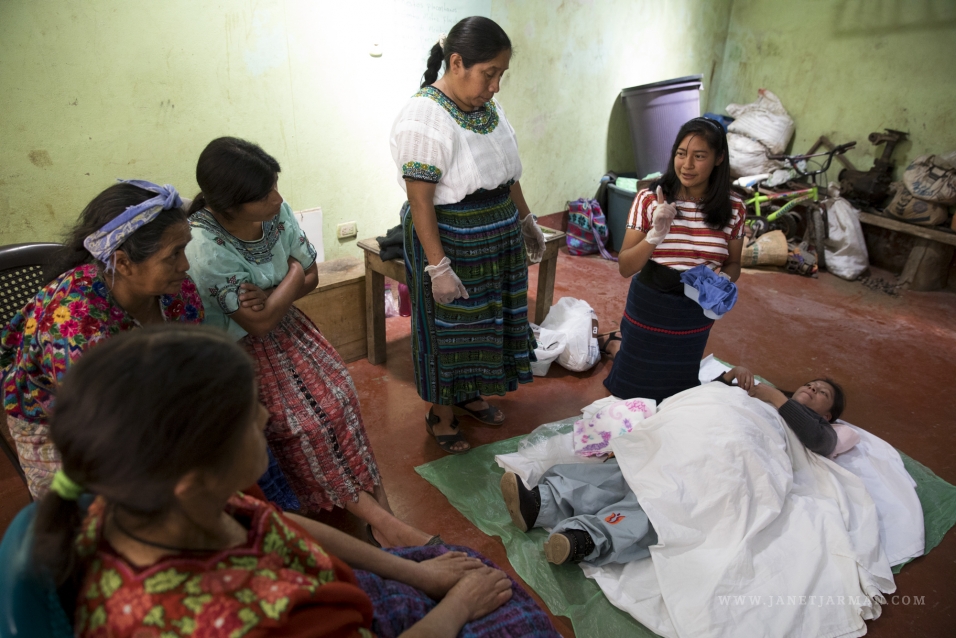
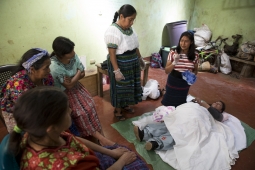
Traditional midwives review obstetrical emergency situations during a mobile health clinic day in the community of Las Barrancas, one of the remote areas served by Asociación de las Comadronas del Area Mam (ACAM), a collective of traditional midwives based in Concepción Chiquirichapa, Guatemala.
-
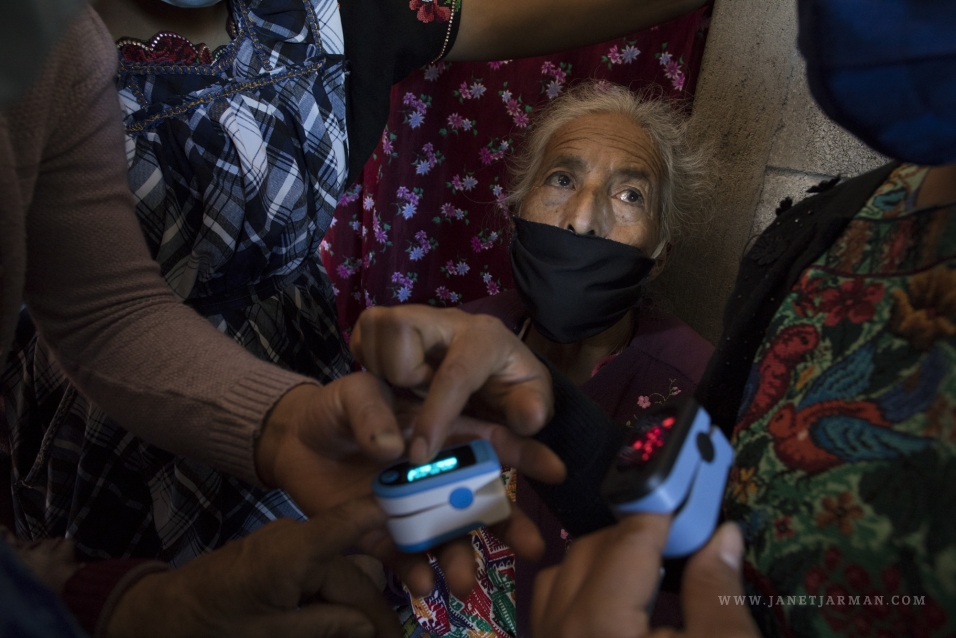
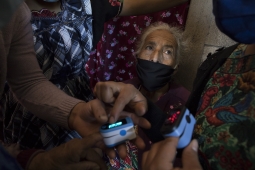
In the community of La Victoria, located near Quetzaltenango, Guatemala, Clementa Eluvia Monterosa Romero, 70, joins fellow midwives learning to use the oximeter included in the new kit recently provided to them by ACAM (Asociacion de las Comadronas del Area Mam), a collective of midwives based in the country’s Western Highlands. The event was part of an ongoing collaboration between the midwives in La Victoria and ACAM, designed to share knowledge about recognizing risks and signs of emergencies during pregnancy.
-
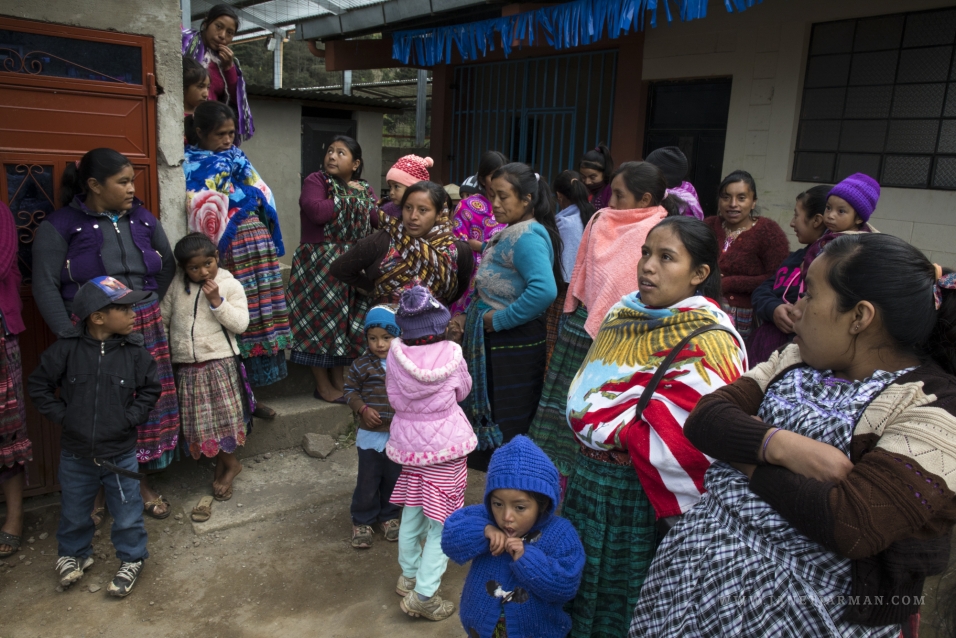
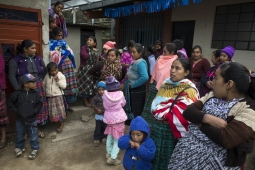
In the community of Nueva Concepción, children accompany mothers being evaluated during a mobile health clinic operated by the Asociación de las Comadronas del Area Mam (ACAM), a collective of comadronas (indigenous midwives) based in Concepción Chiquirichapa, Guatemala. Nueva Concepción is one of several communities served by the mobile health clinic.
-
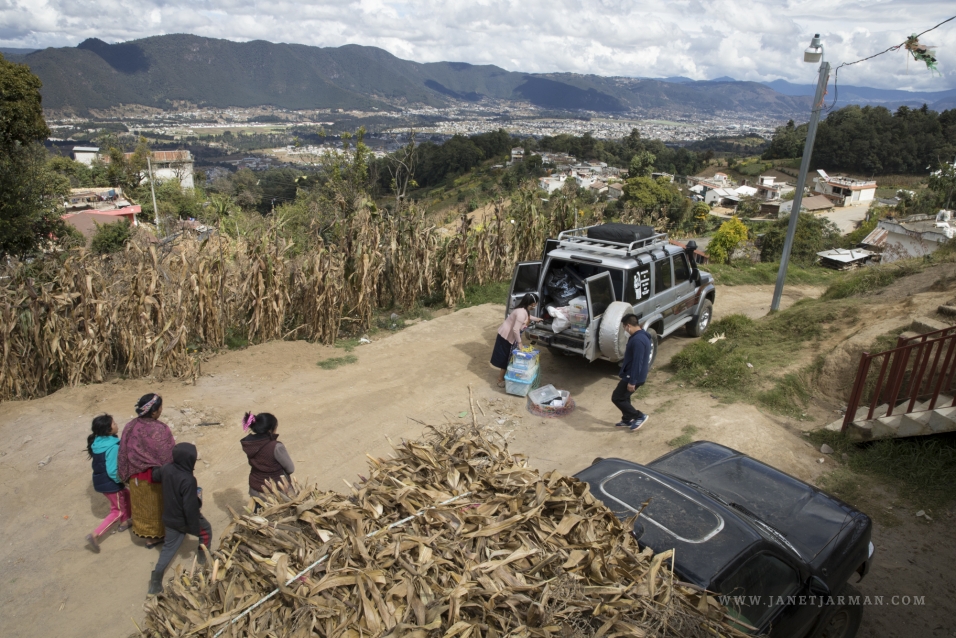
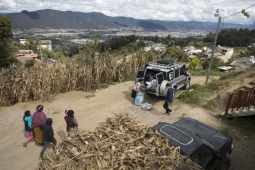
Midwife Gloria Cabrera Lorenzo (pink sweater) and Dr. Wilmer Enrique Xiloj Cabrera pack up supplies following the mobile health clinic the team conducted in the remote community of Tuilcanabaj, Guatemala. The team travels to four designated remote areas in the region each month, where they have built trusting relationships with women who may not have access to or may not trust formal state medical services and with the traditional midwives of the area.
-
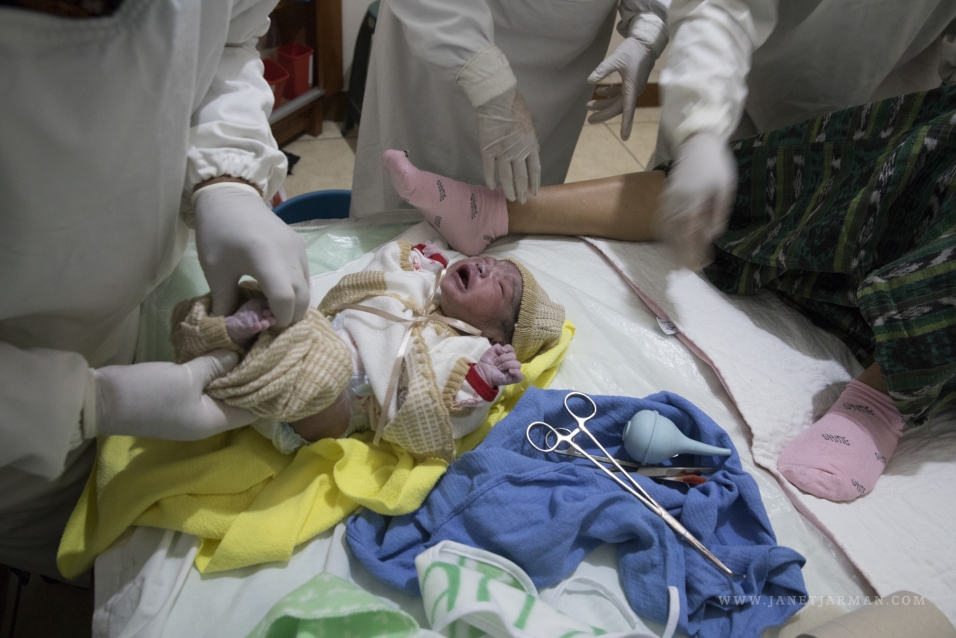
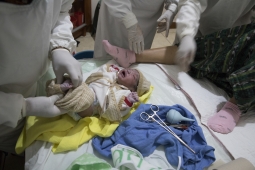
Midwives quickly secure the newborn child of Mayra Tamares Gómez Romero, 17, seconds after its birth at the ACAM (Asociacion de las Comadronas del Area Mam) Midwifery and Birth Center in Concepción Chiquirichapa, Guatemala. Over the years, the midwives of ACAM have served women in the predominantly indigenous areas of the Western Highlands of Guatemala by providing safe and culturally appropriate maternal health services.
-
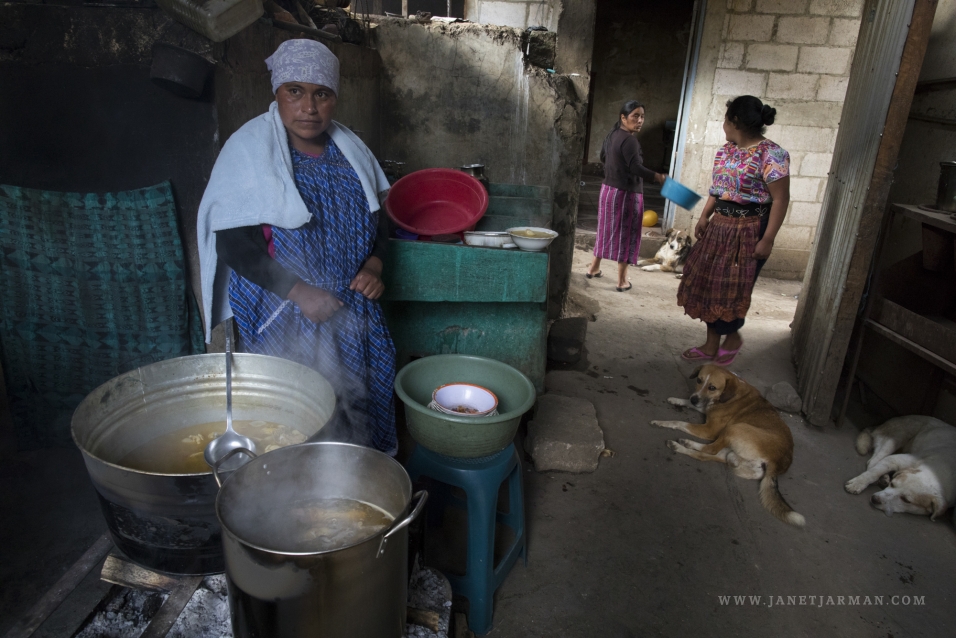
Family members of Mayra Tamares Gomez Romero, 17, celebrate the birth of Mayra's first child at their home. Gomez gave birth the night before at the ACAM Midwifery and Birth Center.
-
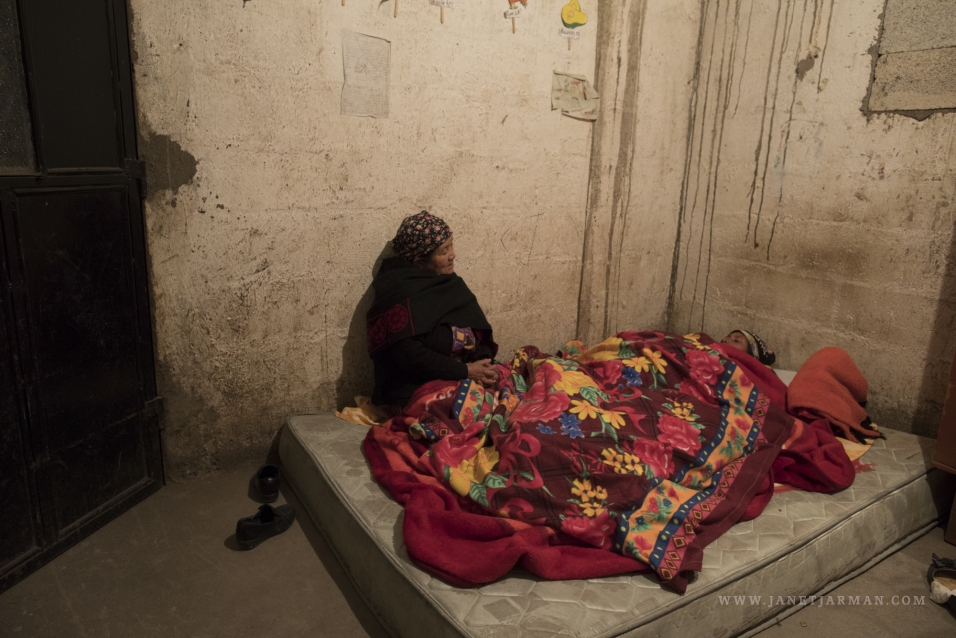
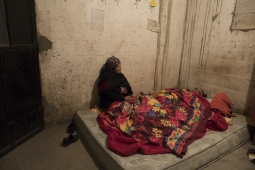
Traditional midwife Epifania Elías Gonzales, 66, says parting words of encouragement to Delfina Vicente López (also called “Maria) at Vicente’s home, located in Aldea Nuevo San Antonio, near San Carlos Sija, Guatemala. Gonzales had accompanied Vicente from the early morning in hopes of attending her birth. They had walked, talked, cooked and worshipped together, and Gonzales needed to return to her own home to sleep, about four kilometers from Vicente’s home. They agreed to be in touch at all times if Vicente experienced any changes. Even though the health center had advised her to go to the hospital, Vicente was terrified of giving birth there and desperately wanted to give birth with her trusted midwife, here, in the comfort of her own bedroom, surrounded by family.
-
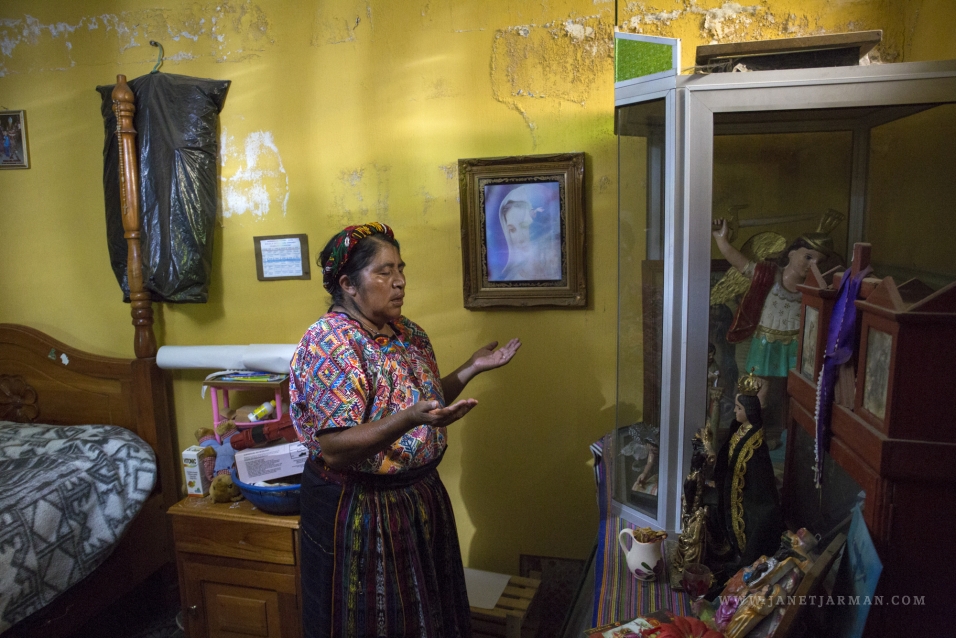
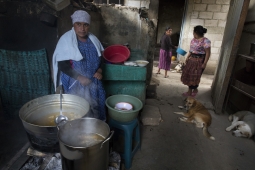
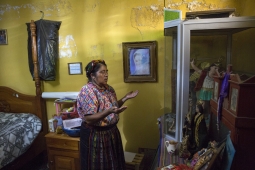
Midwife Ana Cristina Villagrez Cifuentes prays in front of her altar, upon entering her home, following her 24 hour shift at the ACAM traditional midwifery and birth center. ACAM is a collective of comadronas (indigenous midwives) based in Concepción Chiquirichapa, Guatemala.
-
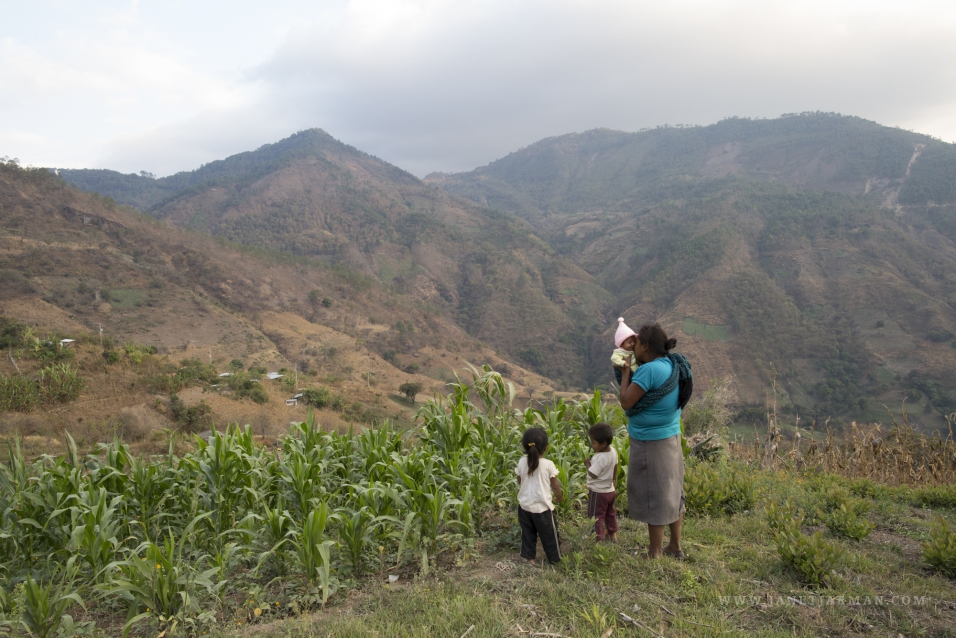
Paula De La Cruz, 39, cares for her newborn, outside her home, located deep in the mountains of Mexico’s Guerrero state. Two days before she gave birth, student midwives traveled four hours by foot to check on Paula at her home and discovered that she was at risk due to high blood pressure. They urged her to go to the local hospital the next day, and she followed their advice. From there, she was transported three hours to a specialized maternity hospital in Tlapa de Comonfort, where she gave birth to her ninth child. Doctors repeatedly urged her to agree to a tubal ligation, citing her age and number of children as a concern that could put her at risk for grave complications. She and her husband eventually agreed.
Traditional Midwives
Traditional midwives in Mexico and Guatemala are highly revered for their culturally appropriate birth practices and their ancestral knowledge passed down through generations. The people they serve prefer to give birth at home according to their traditions, surrounded by family members and accompanied by a midwife they feel will treat them with respect and dignity. They also fear government hospitals where reports of discrimination and obstetric violence are rampant. The midwives are sought after in their communities, where they are often the only healthcare provider. Yet, they receive scant support from the health authorities. Over the past few years, traditional midwives in Mexico and Guatemala have strengthened organizations to fight for better recognition and protection.